How much protein do you need?
Short answer: the RDA is 0.8 g of protein per kg of body weight a day (about 0.36 g per lb); the 2025–2030 Dietary Guidelines suggest 1.2–1.6 g/kg for most adults, and people lifting to build muscle often aim for 1.6–2.0 g/kg. A 70 kg (154 lb) adult at 1.2–1.6 g/kg needs about 84–112 g a day.
Enter your weight, how active you are and how many meals you eat, and you get your own daily range and what it means per plate. The ranges come from public guidance, linked below, not from a brand selling powder.
Daily protein
84–112 g
≈ 28–37 g per meal over 3 meals
The 2025–2030 Dietary Guidelines for Americans suggest 1.2–1.6 g/kg for most adults.
Not sure how to get there? A Greek yogurt bowl is ~32 g, the protein pancakes ~38 g, a tuna & bean salad ~34 g. If you have kidney disease or another condition, ask your doctor first, needs differ.
We may earn a commission when you buy through our links, at no extra cost to you. Affiliate disclosure
As an Amazon Associate I earn from qualifying purchases.
If food doesn't get you there: three label-checked powders
- 1
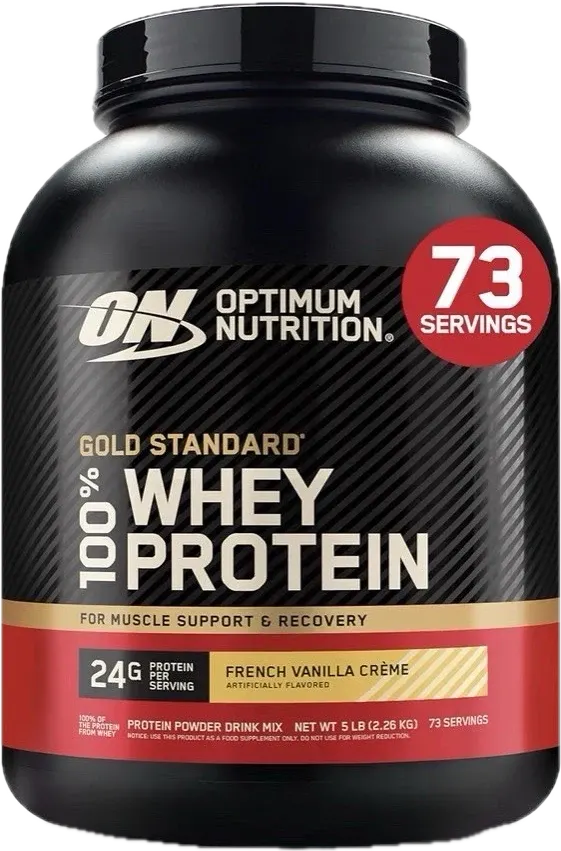 Optimum Nutrition Gold Standard 100% Whey
Protein 24 g · Calories 120
- 1Optimum Nutrition Gold Standard 100% Whey
Protein 24 g · Calories 120
- 2
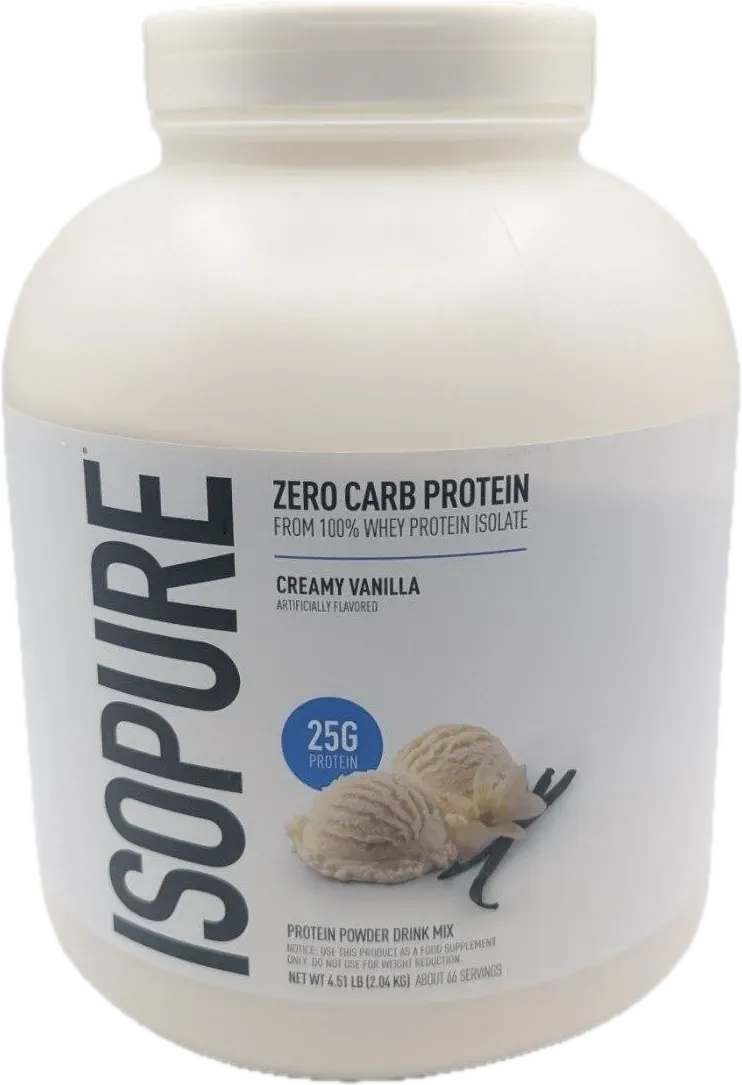 Isopure Zero Carb Whey Isolate
Protein 25 g · Calories 110
- 2Isopure Zero Carb Whey Isolate
Protein 25 g · Calories 110
- 3
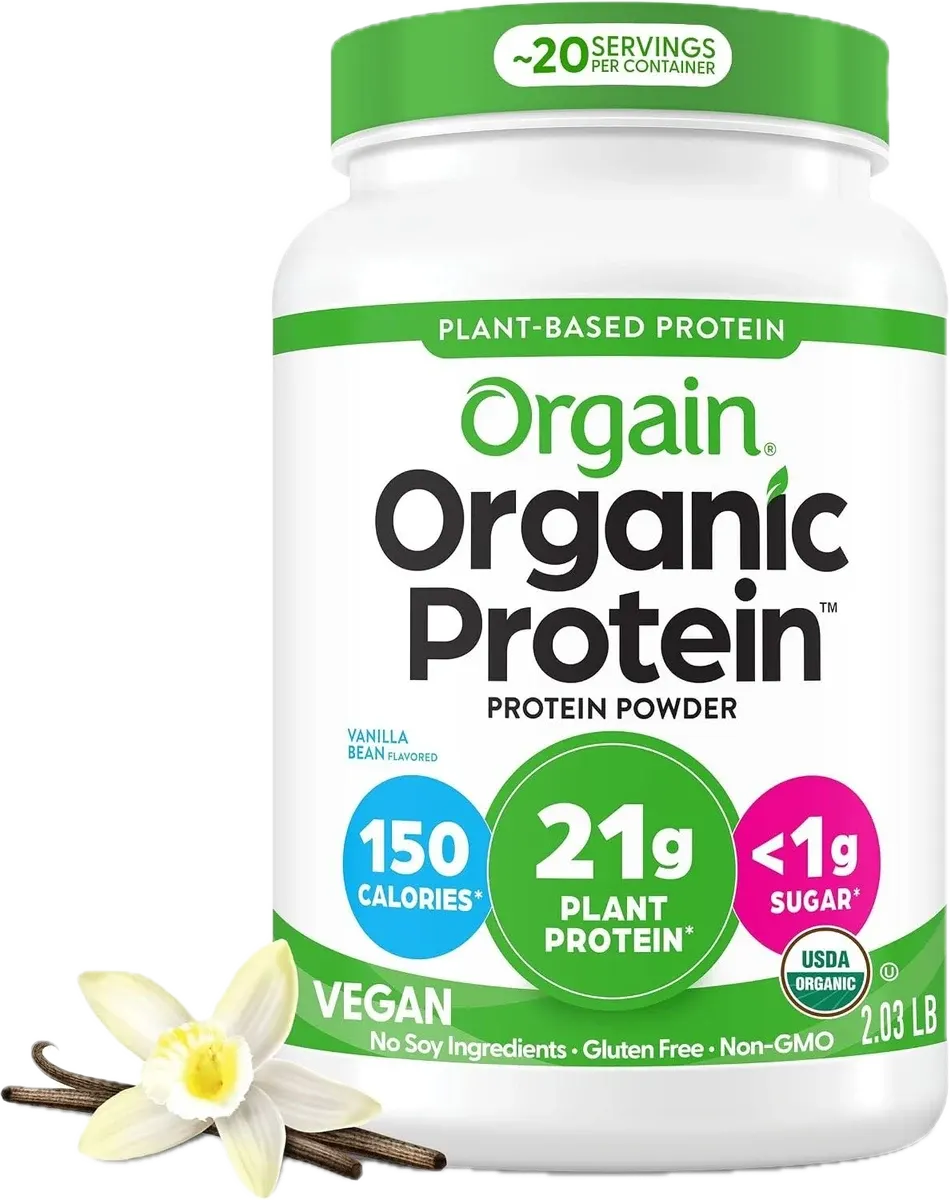 Orgain Organic Protein Plant-Based
Protein 21 g · Calories 150
- 3Orgain Organic Protein Plant-Based
Protein 21 g · Calories 150
Questions people ask
How much protein do I need a day?
The RDA is 0.8 g per kg of body weight. The minimum to avoid deficiency. The 2025–2030 Dietary Guidelines for Americans suggest 1.2–1.6 g/kg for most adults, and people lifting to build muscle often aim for about 1.6–2.0 g/kg.
Should I spread protein across meals?
Most guidance suggests yes: getting a solid serving (often 25–40 g) at each meal is easier to reach and fits how muscle uses protein through the day, instead of one big serving at dinner.
Do I need protein powder?
No. Greek yogurt, cottage cheese, eggs, fish, chicken, lentils and beans cover most needs. Powder is just a convenient top-up: our kitchen has high-protein recipes with and without it.
Is more protein always better?
Not for everyone. People with kidney disease or other conditions can have different needs, ask your doctor before raising protein a lot.
Where the ranges come from
- RDA (0.8 g/kg): National Academies, Dietary Reference Intakes for macronutrients.
- 1.2–1.6 g/kg: Dietary Guidelines for Americans 2025–2030 (USDA / HHS).
- 1.4–2.0 g/kg when training: International Society of Sports Nutrition position stand on protein and exercise.
- Adults over 65, at least 1.0–1.2 g/kg: PROT-AGE study group recommendations.
Also useful: what 25 g of protein really costs · high-protein recipes