Zinc: mg per serving on every zinc label we carry
Zinc supplements print 15 mg to 50 mg per tablet, while the NIH lists 40 mg a day as the adult upper limit for long-term use, so 50 mg products are short-term labels, not daily ones. The table lists the printed zinc per serving and the form for every zinc product we track.
Updated · by HealthWorld · numbers copied from each product’s Supplement Facts panel
What to check on the label
- Milligrams per serving against the NIH upper limit (40 mg/day for adults)
- Form: picolinate, gluconate, citrate, oxide
- Pieces per serving
Long-term intake above 40 mg/day can affect copper status; ask a doctor before taking high doses daily.
Zinc on each label we carry
Sorted by the printed amount. Each name opens its page with the full label; the store buttons are right under the table.
| Product | Zinc per serving | Certification printed |
|---|---|---|
| Nature's Bounty Zinc 50 mg Caplets | 50 mg | none |
| Bausch + Lomb PreserVision AREDS 2 Formula Eye Vitamins | 40 mg per soft gel | none |
| Thorne Zinc Picolinate 30 mg | 30 mg | NSF Certified for Sport |
We may earn a commission when you buy through our links, at no extra cost to you. Affiliate disclosure
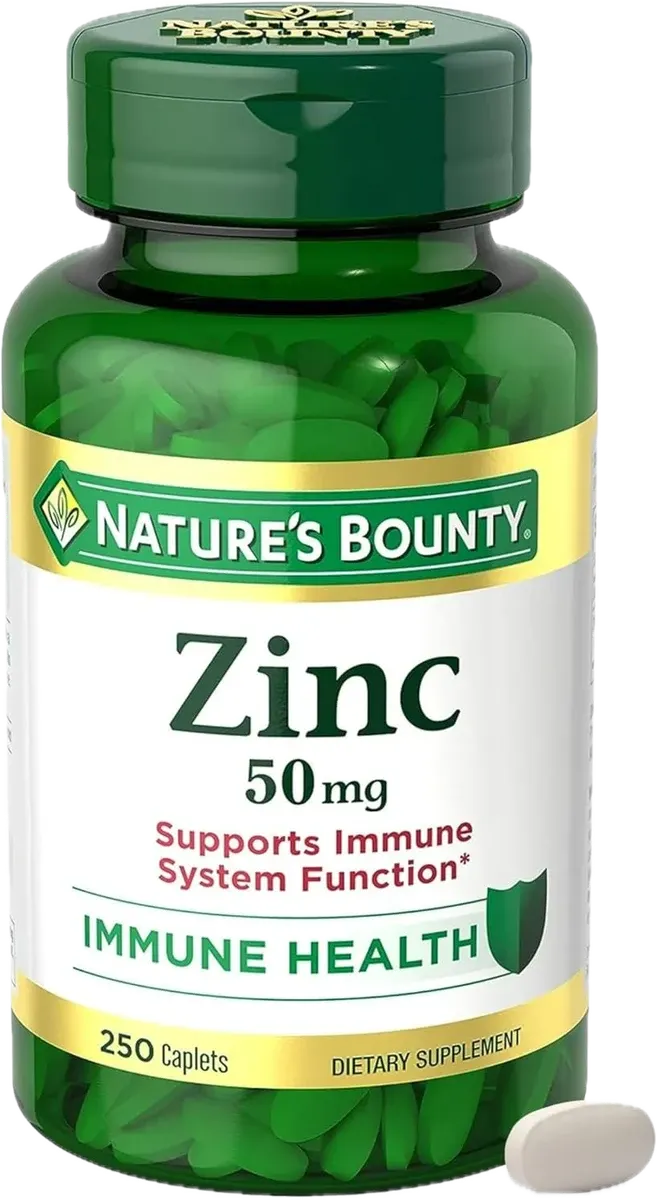
Nature's Bounty Zinc 50 mg CapletsNature's Bounty Zinc 50 mg Caplets
Zinc: 50 mg per serving
Things to consider: 50 mg is above the 40 mg adult upper limit for zinc. Long-term daily use can affect copper status. Check with your doctor before taking it every day.
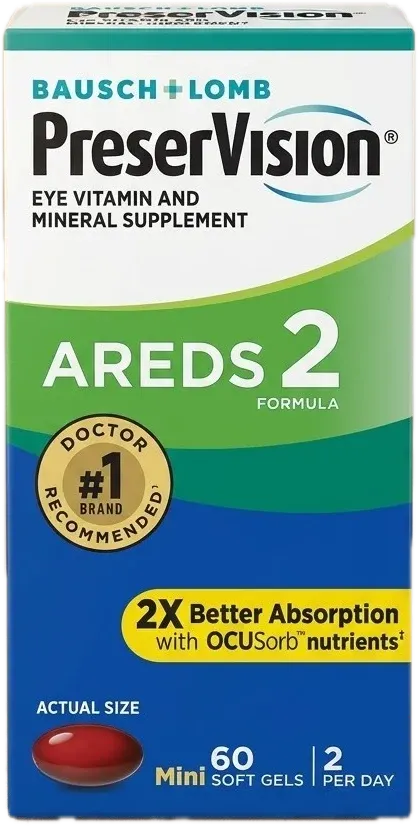
Bausch + Lomb PreserVision AREDS 2 Formula Eye VitaminsBausch + Lomb PreserVision AREDS 2 Formula Eye Vitamins
Zinc: 40 mg per soft gel per serving
Things to consider: Zinc supplementation can cause a copper deficiency; copper is added to the formula for that reason. Keep out of reach of children, and talk to your eye doctor before starting it.
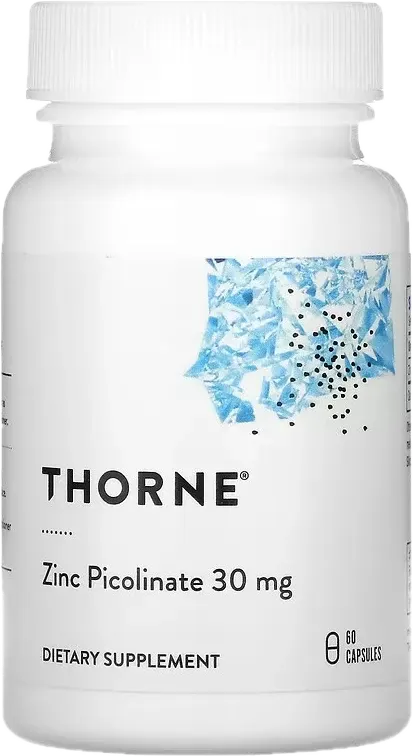
Thorne Zinc Picolinate 30 mgThorne Zinc Picolinate 30 mg
Zinc: 30 mg per serving · NSF Certified for Sport
Things to consider: If you're pregnant or nursing, check with your healthcare provider first.
Go deeper
Questions people ask
Is 50 mg of zinc a day too much?
It's above the NIH tolerable upper intake (40 mg) for ongoing use; labels that print 50 mg are usually meant for short periods. 15–30 mg products fit daily use better: the table shows each label.
Zinc picolinate vs gluconate?
Both are common; picolinate is marketed for absorption, gluconate is inexpensive and widely used. The milligram number on the label is the comparable part.
Part of the open label dataset (CC BY 4.0) · how we read labels · other ingredients: Creatine monohydrate · Whey protein · Plant protein · Collagen peptides · Magnesium · Melatonin · Ashwagandha · Vitamin D3