Lion's mane: mg per serving and extract type on every label we carry
Lion's mane labels differ on what part of the mushroom you get: fruiting-body extracts (often with a printed beta-glucan %) versus mycelium grown on grain. Milligrams alone don't tell you which. The table lists the printed amount and the part used for every lion's mane product we track.
Updated · by HealthWorld · numbers copied from each product’s Supplement Facts panel
What to check on the label
- Fruiting body vs mycelium (printed in the ingredient list)
- Beta-glucan % if the label prints it
- Milligrams per serving and pieces per serving
Lion's mane on each label we carry
Sorted by the printed amount. Each name opens its page with the full label; the store buttons are right under the table.
| Product | Lion's mane per serving | Certification printed |
|---|---|---|
| Real Mushrooms Organic Lion's Mane Extract Capsules | 1,000 mg | none |
| Host Defense Lion's Mane Capsules | 1 g | USDA Organic |
We may earn a commission when you buy through our links, at no extra cost to you. Affiliate disclosure
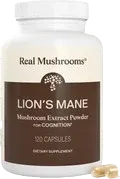
Real Mushrooms Organic Lion's Mane Extract CapsulesReal Mushrooms Organic Lion's Mane Extract Capsules
Lion's mane extract: 1,000 mg per serving
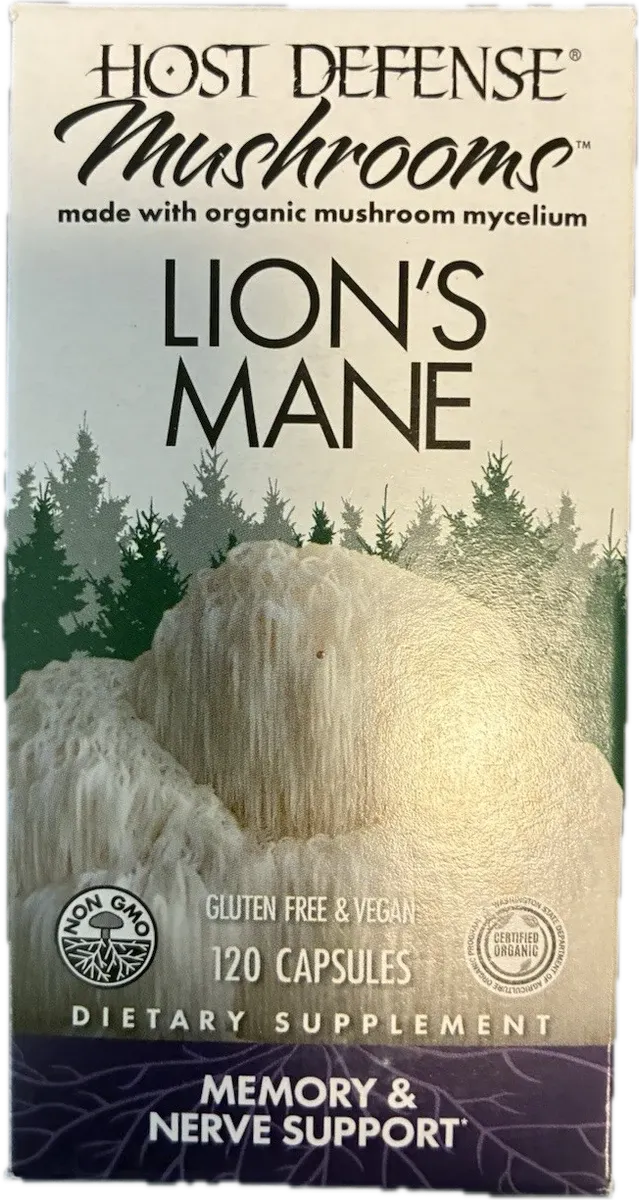
Host Defense Lion's Mane CapsulesHost Defense Lion's Mane Capsules
Lion's mane mycelium: 1 g per serving · USDA Organic
Go deeper
Questions people ask
Fruiting body or mycelium, which lion's mane is better?
Fruiting-body extracts print higher beta-glucan percentages; mycelium-on-grain products contain more starch from the grain. The label's ingredient list names the part, that's the comparable fact.
How much lion's mane per day do labels use?
500–1,000 mg of extract per serving is common on capsules; powders print 1–2 g scoops. Follow the serving printed on your product.
Part of the open label dataset (CC BY 4.0) · how we read labels · other ingredients: Creatine monohydrate · Whey protein · Plant protein · Collagen peptides · Magnesium · Melatonin · Ashwagandha · Vitamin D3