Whey Protein vs Plant Protein
The short answer: Whey is a complete, fast-digesting protein that's rich in leucine, and it's the most studied option for building muscle. Plant proteins, especially blends like pea and rice, can produce similar results when you get enough total protein, and they're the right choice for vegan, dairy-free or milk-allergic diets.
We may earn a commission when you buy through our links, at no extra cost to you. Affiliate disclosure
As an Amazon Associate I earn from qualifying purchases.
The two, side by side
- 1
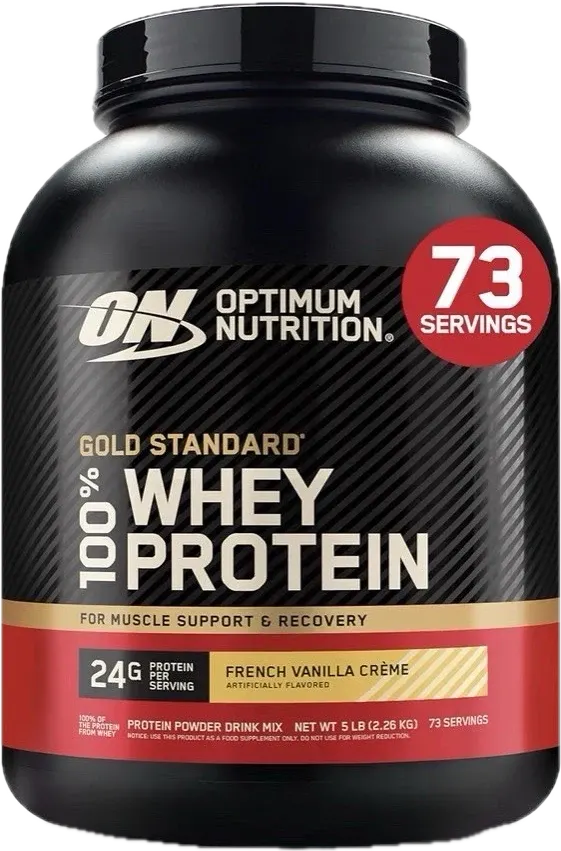 Optimum Nutrition Gold Standard 100% Whey
Protein 24 g · Calories 120
- 1Optimum Nutrition Gold Standard 100% Whey
Protein 24 g · Calories 120
- 2
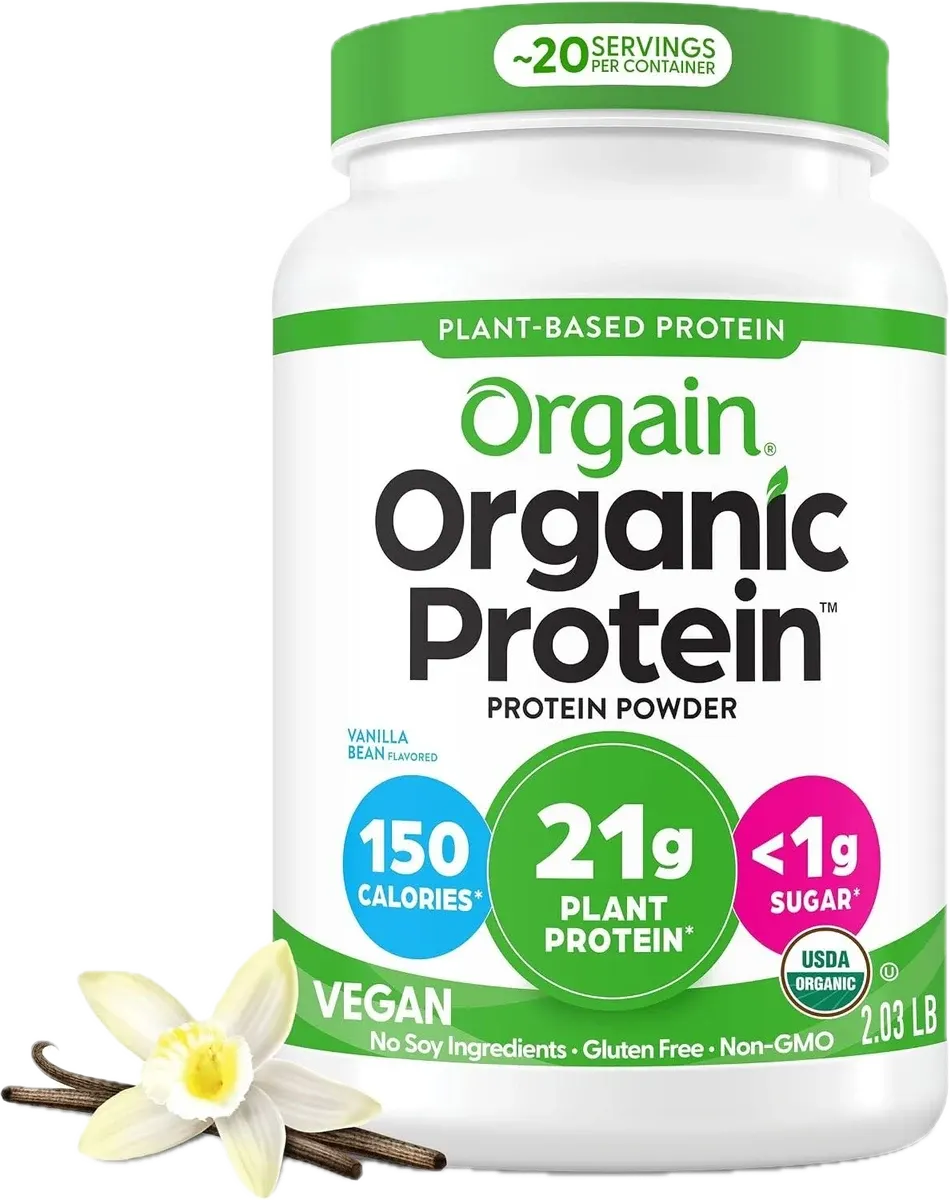 Orgain Organic Protein Plant-Based
Protein 21 g · Calories 150
- 2Orgain Organic Protein Plant-Based
Protein 21 g · Calories 150
Updated By Evyatar H. for HealthWorld: we read labels, we don't run a lab215 products and 99 protein bars checked label by labelHow we pick
The short answer
Whey is a complete, fast-digesting protein that's rich in leucine, and it's the most studied option for building muscle. Plant proteins, especially blends like pea and rice, can produce similar results when you get enough total protein, and they're the right choice for vegan, dairy-free or milk-allergic diets. For weight loss, either works. Pick the one you digest and enjoy, and look for third-party testing, especially with plant powders.
Choose Whey protein if…
- You want the most researched option for building muscle
- Dairy doesn't bother you
- You like a smooth, creamy shake
Choose Plant protein if…
- You're vegan, dairy-free or allergic to milk
- Whey upsets your stomach
- You want an organic option
Side by side
| Whey protein | Plant protein | |
|---|---|---|
| Source | Milk | Peas, rice, soy, hemp and others |
| Amino acids | Complete; high in leucine | Blends can be complete; single sources may be low in some |
| Example protein per serving | Gold Standard: 24 g | Orgain Organic: 21 g |
| Digestion | Concentrate contains lactose; isolate has very little | Dairy-free; some people react to added gums or fibers |
| Texture | Smooth | Thicker and earthier |
| Heavy metals | Generally less of a concern | Can carry trace amounts from soil; look for testing |
| Diet | Vegetarian, not vegan | Vegan |
The labels, line by line
Per serving, copied from each brand's own page or the NIH label database. "Not stated" means the label doesn't print it.
| On the label | Optimum Nutrition Gold Standard 100% Whey | Orgain Organic Protein Plant-Based |
|---|---|---|
| Serving | about 1 scoop (30.4 g) | 2 scoops (46 g) |
| Calories | 120 | 150 |
| Protein | 24 g | 21 g |
| Carbs | 3 g | 15 g |
| Sugar | 1 g | less than 1 g |
| Sweeteners | Acesulfame potassium | Organic Reb A (stevia extract) |
| Third-party mark | Informed Choice | none stated |
Where to buy
Optimum Nutrition Gold Standard 100% WheyOptimum Nutrition Gold Standard 100% Whey
Serving about 1 scoop (30.4 g)Calories 120Protein 24 gCarbs 3 gSugar 1 gSweeteners Acesulfame potassiumAmazon eBay Full factsLabel read Nov 23, 2026 (Double Rich Chocolate, 2 lb (907 g)), source: NIH Dietary Supplement Label Database
Orgain Organic Protein Plant-BasedOrgain Organic Protein Plant-Based
Serving 2 scoops (46 g)Calories 150Protein 21 gCarbs 15 gSugar less than 1 gSweeteners Organic Reb A (stevia extract)Amazon eBay Full factsLabel read Nov 23, 2026 (Vanilla Bean, 2.03 lb canister), source: the brand's page
Frequently asked questions
Whey protein vs plant protein: which is better?
Both support muscle growth when you hit your daily protein target. Whey has a slight edge in leucine and digestion speed, while plant blends suit vegan and dairy-free diets. The best one is the one you tolerate well and will actually use.
Is whey or plant protein better for weight loss?
Neither has a clear advantage for weight loss. What matters is total calories and getting enough protein to stay full and protect muscle. Compare calories and sugar per serving, and choose the one that fits your diet.
Is whey or plant protein better for building muscle?
Whey is the most studied and is rich in leucine, the amino acid most linked to muscle building. Studies comparing pea or blended plant protein with whey have generally found similar gains when the protein dose is matched, so a slightly larger plant serving can close the gap.
Sources
- Dietary Supplements for Exercise and Athletic Performance — NIH Office of Dietary Supplements
- Dietary Supplements — U.S. Food & Drug Administration