Whey Protein Isolate vs Whey Concentrate
The short answer: Whey isolate is filtered further, so it's typically 90% or more protein by weight with very little fat, carbs or lactose. Whey concentrate keeps more of milk's natural fat and lactose, tastes creamier and usually costs less.
We may earn a commission when you buy through our links, at no extra cost to you. Affiliate disclosure
As an Amazon Associate I earn from qualifying purchases.
The two, side by side
- 1
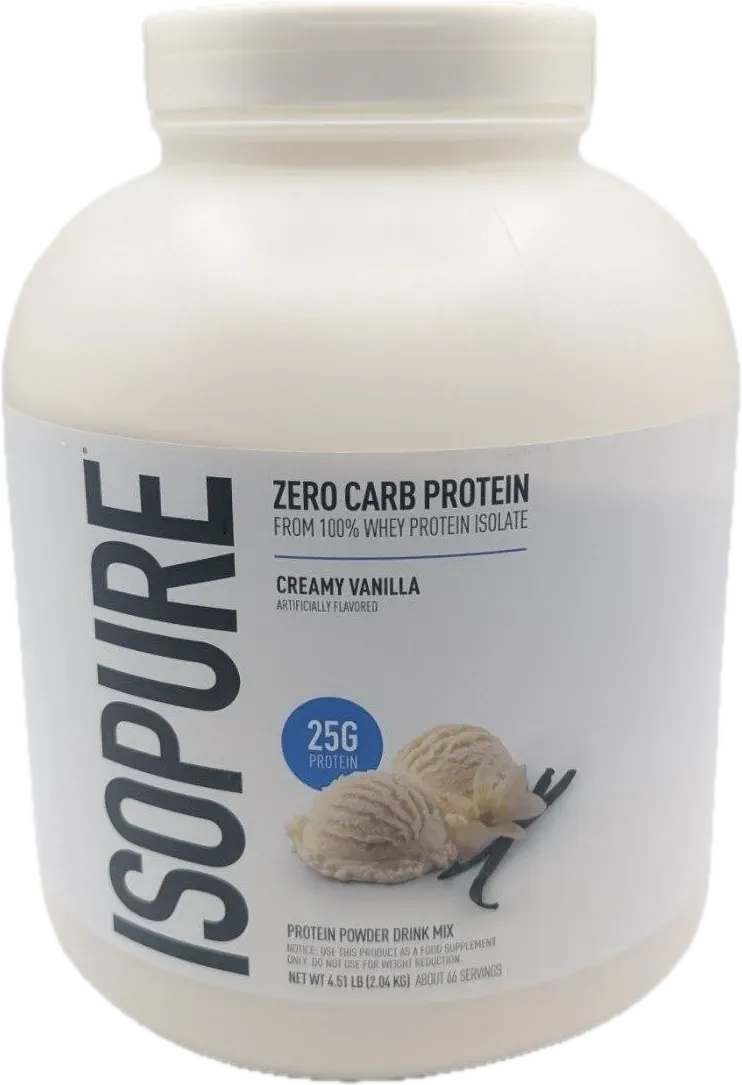 Isopure Zero Carb Whey Isolate
Protein 25 g · Calories 110
- 1Isopure Zero Carb Whey Isolate
Protein 25 g · Calories 110
- 2
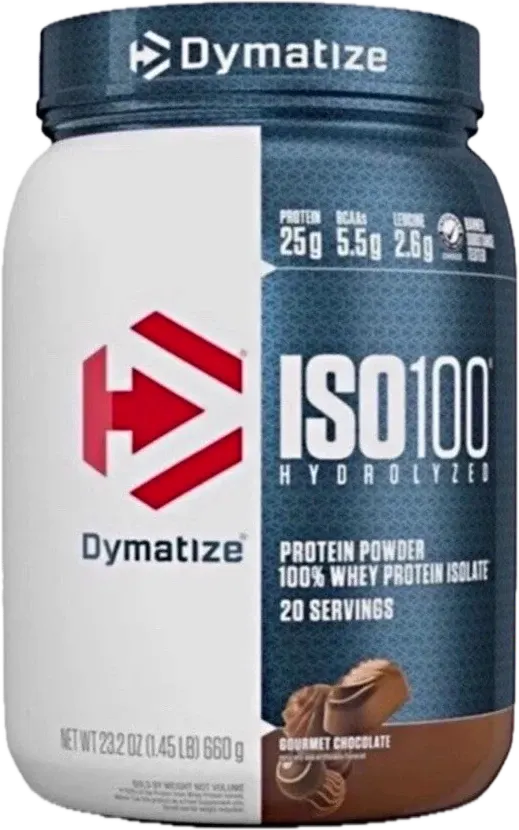 Dymatize ISO100 Hydrolyzed
Protein 25 g · Calories 120
- 2Dymatize ISO100 Hydrolyzed
Protein 25 g · Calories 120
Updated By Evyatar H. for HealthWorld: we read labels, we don't run a lab215 products and 99 protein bars checked label by labelHow we pick
The short answer
Whey isolate is filtered further, so it's typically 90% or more protein by weight with very little fat, carbs or lactose. Whey concentrate keeps more of milk's natural fat and lactose, tastes creamier and usually costs less. Both build muscle well when total protein is matched; choose isolate for lactose sensitivity or tight macros, and concentrate or a blend for value.
Choose Whey isolate if…
- You're mildly lactose intolerant
- You want the most protein per calorie
- You track carbs or fat closely
Choose Whey concentrate if…
- You want a lower price per serving
- You prefer a creamier taste
- Lactose doesn't bother you
Side by side
| Whey isolate | Whey concentrate | |
|---|---|---|
| Protein by weight | Typically 90% or more | Commonly around 70–80% (varies) |
| Lactose | Very little | More |
| Fat and carbs | Very low | Higher |
| Price | Usually higher | Usually lower |
| Taste and texture | Thinner, cleaner | Creamier |
| Muscle building | Effective | Effective |
| Examples we list | Isopure Zero Carb, Dymatize ISO100 | Gold Standard (a blend led by isolate) |
The labels, line by line
Per serving, copied from each brand's own page or the NIH label database. "Not stated" means the label doesn't print it.
| On the label | Isopure Zero Carb Whey Isolate | Dymatize ISO100 Hydrolyzed | Optimum Nutrition Gold Standard 100% Whey |
|---|---|---|---|
| Serving | 1 scoop (31 g) | 1 scoop (32 g) | about 1 scoop (30.4 g) |
| Calories | 110 | 120 | 120 |
| Protein | 25 g | 25 g | 24 g |
| Carbs | 0 g | 2 g | 3 g |
| Sugar | not stated | 1 g | 1 g |
| Sweeteners | Sucralose | Sucralose, steviol glycosides (stevia) | Acesulfame potassium |
| Third-party mark | none stated | none stated | Informed Choice |
Where to buy
Isopure Zero Carb Whey IsolateIsopure Zero Carb Whey Isolate
Serving 1 scoop (31 g)Calories 110Protein 25 gCarbs 0 gSweeteners SucraloseThird-party mark none statedAmazon eBay Full factsLabel read Nov 23, 2026 (Mint Chocolate Chip, 3 lb (1.36 kg)), source: NIH Dietary Supplement Label Database
Dymatize ISO100 HydrolyzedDymatize ISO100 Hydrolyzed
Serving 1 scoop (32 g)Calories 120Protein 25 gCarbs 2 gSugar 1 gSweeteners Sucralose, steviol glycosides (stevia)Amazon eBay Full factsLabel read Nov 23, 2026 (Gourmet Chocolate (sizes on the page: 20 servings, 3 lb, 5 lb)), source: the brand's page
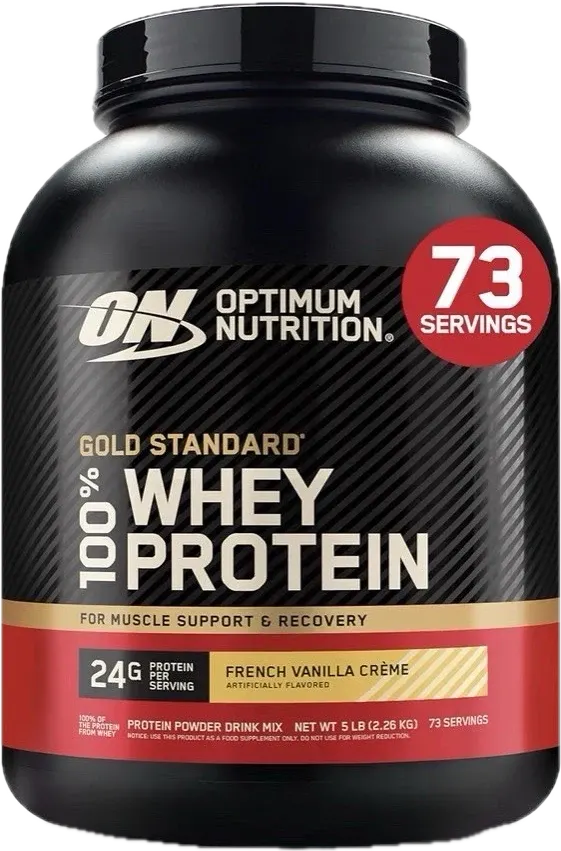
Optimum Nutrition Gold Standard 100% WheyOptimum Nutrition Gold Standard 100% Whey
Serving about 1 scoop (30.4 g)Calories 120Protein 24 gCarbs 3 gSugar 1 gSweeteners Acesulfame potassiumAmazon eBay Full factsLabel read Nov 23, 2026 (Double Rich Chocolate, 2 lb (907 g)), source: NIH Dietary Supplement Label Database
Frequently asked questions
Whey protein vs whey protein isolate: which is better?
Neither is better for building muscle when you get the same amount of protein. Isolate is purer, with less fat, carbs and lactose, and usually costs more. Concentrate is cheaper and creamier, and it's fine for most people who tolerate dairy well.
Is whey isolate better for lactose intolerance?
Often, yes. Isolate contains very little lactose, so many people with mild lactose intolerance tolerate it better than concentrate. It's still a milk product, so it isn't suitable for a milk allergy.
How much protein powder per day?
One or two scoops a day is typical, used to top up the protein you get from food. Many active adults aim for roughly 1.2–2 g of protein per kg of body weight a day in total. If you have kidney issues, ask your doctor what's right for you.
Sources
- Dietary Supplements for Exercise and Athletic Performance — NIH Office of Dietary Supplements
- Dietary Supplements — U.S. Food & Drug Administration