Vitamin D3 2000 IU vs 5000 IU
The short answer: The difference is simply the amount per serving: 2000 IU is 50 mcg of vitamin D3, 5000 IU is 125 mcg, two and a half times as much in one small softgel or capsule.
We may earn a commission when you buy through our links, at no extra cost to you. Affiliate disclosure
As an Amazon Associate I earn from qualifying purchases.
The two, side by side
- 1
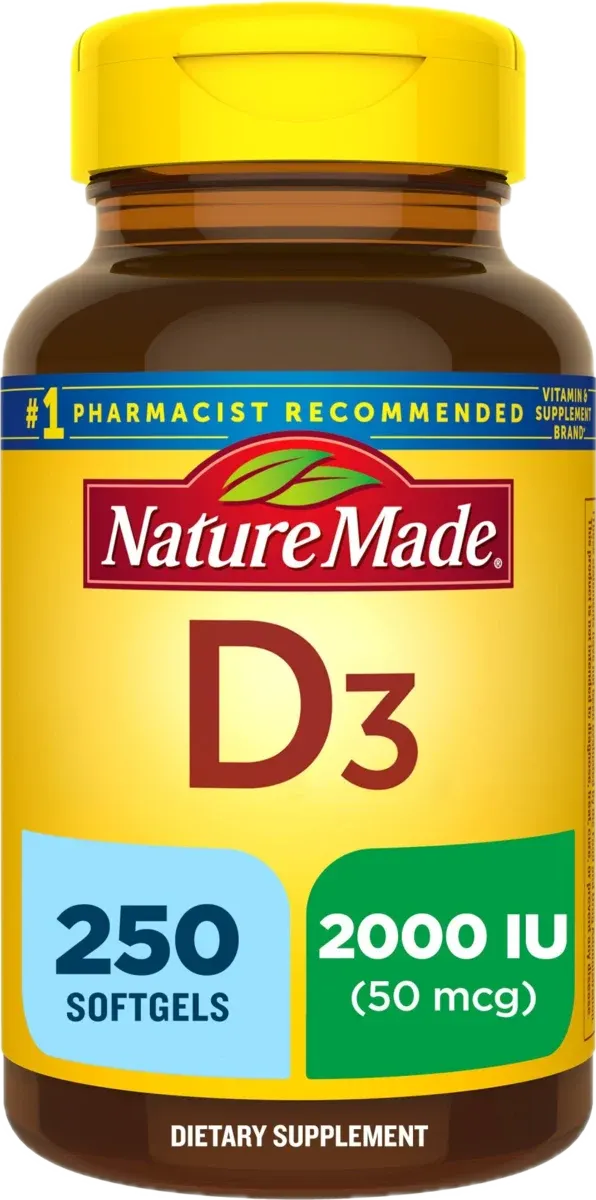 Nature Made Vitamin D3 2000 IU
Vitamin D 50 mcg (2000 IU) · Serving 1 softgel
- 1Nature Made Vitamin D3 2000 IU
Vitamin D 50 mcg (2000 IU) · Serving 1 softgel
- 2
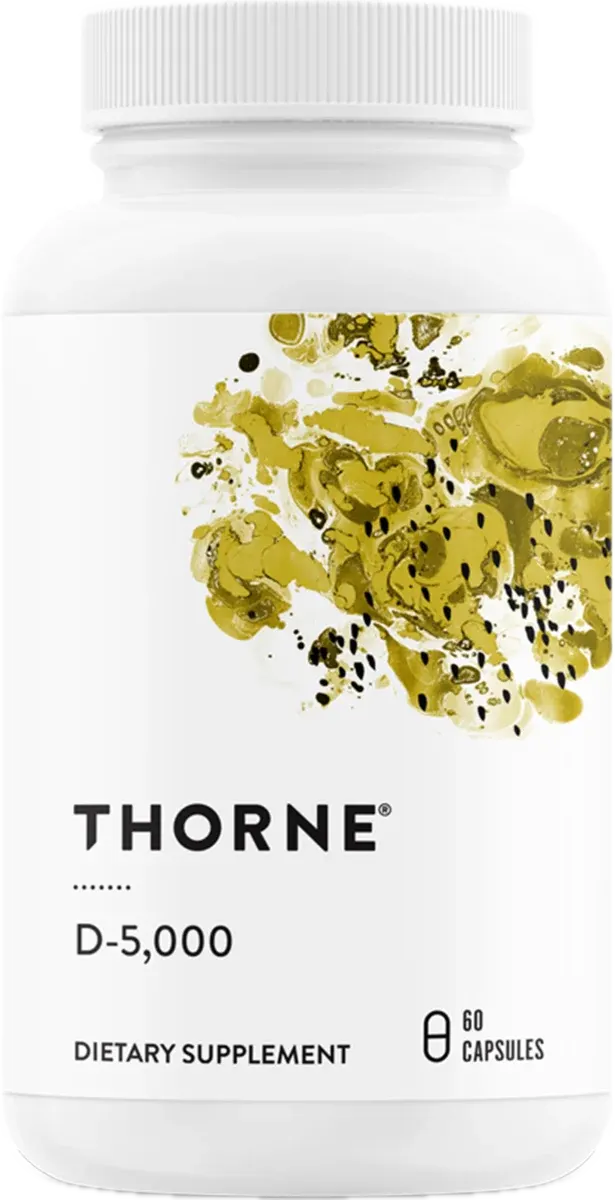 Thorne Vitamin D-5,000
Vitamin D 125 mcg · Serving 1 capsule
- 2Thorne Vitamin D-5,000
Vitamin D 125 mcg · Serving 1 capsule
Updated By Evyatar H. for HealthWorld: we read labels, we don't run a lab215 products and 99 protein bars checked label by labelHow we pick
The short answer
The difference is simply the amount per serving: 2000 IU is 50 mcg of vitamin D3, 5000 IU is 125 mcg, two and a half times as much in one small softgel or capsule. The NIH lists 4,000 IU (100 mcg) a day as the tolerable upper intake level for adults from all sources, so a 5000 IU product is meant for people whose doctor has told them they need that much. Which one suits you depends on your blood level, diet and sun, that's a question for your doctor, not a label.
Choose Nature Made Vitamin D3 2000 IU if…
- You want an everyday amount under the NIH upper limit
- You prefer a small softgel
- You buy at a supermarket price point
Choose Thorne Vitamin D-5,000 if…
- Your doctor has suggested a higher amount
- You want a capsule without unnecessary fillers
- You already know your vitamin D level is low
Side by side
| Nature Made Vitamin D3 2000 IU | Thorne Vitamin D-5,000 | |
|---|---|---|
| Vitamin D3 per serving | 2000 IU (50 mcg) | 5,000 IU (125 mcg) |
| Form | Softgel | Capsule |
| Serving | 1 a day | 1 a day |
| NIH upper intake level (adults) | Below 4,000 IU | Above 4,000 IU: ask your doctor |
| Typical price per serving | Lower | Higher (check the stores) |
The labels, line by line
Per serving, copied from each brand's own page or the NIH label database. "Not stated" means the label doesn't print it.
| On the label | Nature Made Vitamin D3 2000 IU | Thorne Vitamin D-5,000 | NOW Foods Vitamin D-3 5,000 IU |
|---|---|---|---|
| Vitamin D | 50 mcg (2000 IU) | 125 mcg | 125 mcg (5,000 IU) |
| Serving | 1 softgel | 1 capsule | 1 softgel |
| Format | softgels | capsules | softgels |
| Count | 90 or 250 softgels | 60 | 240 |
| Third-party mark | USP Verified | NSF Certified for Sport | none stated |
Where to buy
Nature Made Vitamin D3 2000 IUNature Made Vitamin D3 2000 IU
Vitamin D 50 mcg (2000 IU)Serving 1 softgelFormat softgelsCount 90 or 250 softgelsThird-party mark USP VerifiedAmazon eBay Full factsLabel read Nov 23, 2026 (250 softgels), source: the brand's page
Thorne Vitamin D-5,000Thorne Vitamin D-5,000
Vitamin D 125 mcgServing 1 capsuleFormat capsulesCount 60Third-party mark NSF Certified for SportAmazon eBay Full factsLabel read Nov 23, 2026 (60 capsules (SKU D138)), source: the brand's page
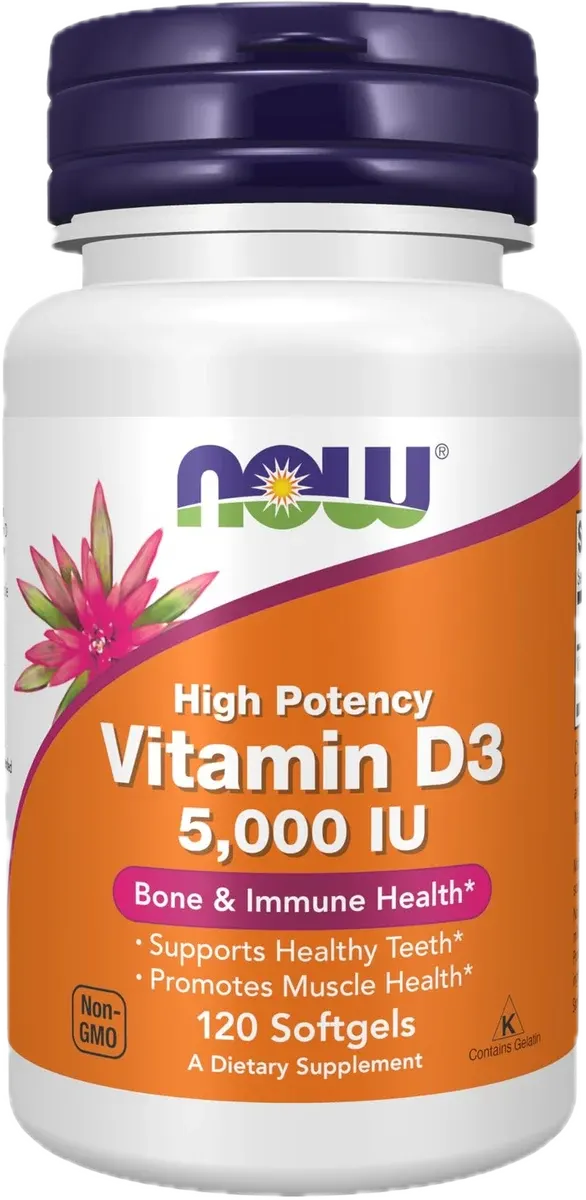
NOW Foods Vitamin D-3 5,000 IUNOW Foods Vitamin D-3 5,000 IU
Vitamin D 125 mcg (5,000 IU)Serving 1 softgelFormat softgelsCount 240Third-party mark none statedAmazon eBay Full factsLabel read Nov 23, 2026 (240 softgels), source: NIH Dietary Supplement Label Database
Frequently asked questions
How many mcg is 2000 IU and 5000 IU of vitamin D3?
1 mcg = 40 IU, so 2000 IU = 50 mcg and 5000 IU = 125 mcg. Newer labels list both.
Is 5000 IU of vitamin D3 too much to take every day?
It's above the NIH tolerable upper intake level of 4,000 IU a day for adults, which is why 5000 IU products say to use them under a doctor's guidance. We don't give doses: your doctor can check your level and tell you what you need.
Softgel or capsule?
Both are small and taken once a day. Softgels carry the vitamin in oil; capsules hold a powder. Pick the one you swallow more easily and compare price per serving.
Sources
- Vitamin D — Fact Sheet for Health Professionals — NIH Office of Dietary Supplements
- Multivitamin/mineral Supplements — Fact Sheet — NIH Office of Dietary Supplements
- Vitamin C — Fact Sheet for Health Professionals — NIH Office of Dietary Supplements
- Vitamin K — Fact Sheet for Health Professionals — NIH Office of Dietary Supplements
- Dietary Supplements — U.S. Food & Drug Administration