Melatonin vs Magnesium for Sleep
The short answer: They do different jobs. Melatonin is a hormone that signals night to your body, so it's best for short-term timing problems such as jet lag or resetting your schedule, at the lowest effective dose.
We may earn a commission when you buy through our links, at no extra cost to you. Affiliate disclosure
As an Amazon Associate I earn from qualifying purchases.
The two, side by side
- 1
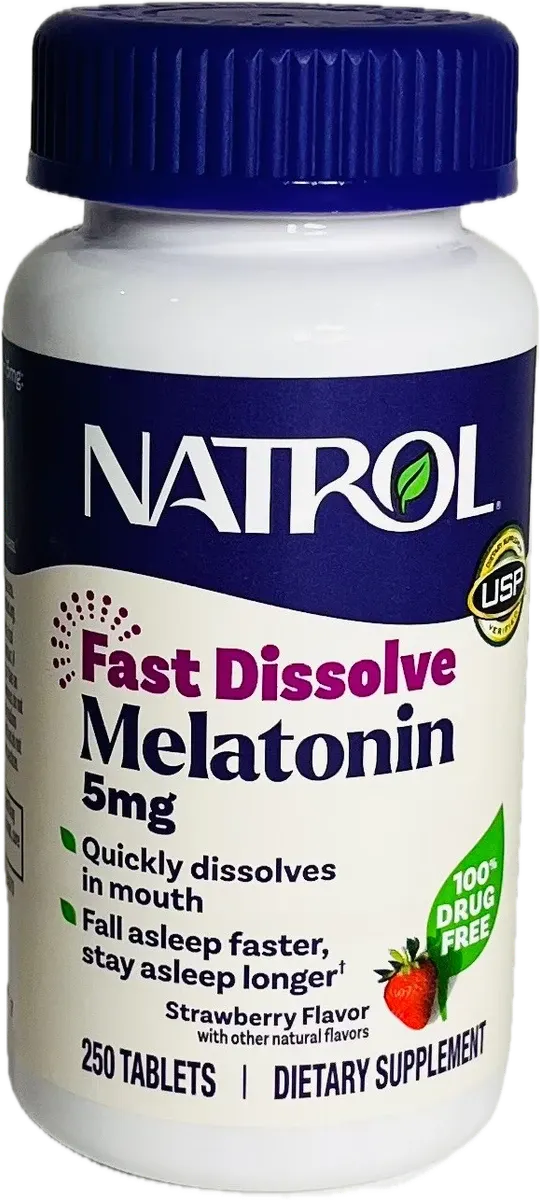 Natrol Melatonin Sleep
Strengths 1–10 mg · Format Tablet
- 1Natrol Melatonin Sleep
Strengths 1–10 mg · Format Tablet
- 2
 Doctor's Best High Absorption Magnesium
Magnesium 200 mg · Serving 2 tablets
- 2Doctor's Best High Absorption Magnesium
Magnesium 200 mg · Serving 2 tablets
Updated By Evyatar H. for HealthWorld: we read labels, we don't run a lab215 products and 99 protein bars checked label by labelHow we pick
The short answer
They do different jobs. Melatonin is a hormone that signals night to your body, so it's best for short-term timing problems such as jet lag or resetting your schedule, at the lowest effective dose. Magnesium is a mineral that supports muscle relaxation and nervous system function, which makes it a gentle option for an everyday wind-down routine. Many people start with magnesium and keep melatonin for occasional use; check with your doctor if you take medication or are pregnant.
Choose Melatonin if…
- You have jet lag or need to shift your sleep schedule
- You need short-term help falling asleep
- You're comfortable starting with a low dose
Choose Magnesium if…
- You want a gentle, everyday part of a wind-down routine
- Your diet may be low in magnesium
- You'd rather avoid taking a hormone
Side by side
| Melatonin | Magnesium | |
|---|---|---|
| What it is | A hormone your body makes in the dark | An essential mineral |
| How it helps | Signals sleep timing | Supports muscle relaxation and nervous system function |
| Best for | Jet lag and schedule shifts | Everyday wind-down routines |
| Typical use | Short-term, at the lowest effective dose | Daily, within the 350 mg supplemental upper limit |
| Possible side effects | Next-day grogginess, headache, vivid dreams | Loose stools at higher doses |
| When to take it | 30–60 minutes before bed | In the evening |
The labels, line by line
Per serving, copied from each brand's own page or the NIH label database. "Not stated" means the label doesn't print it.
| On the label | Doctor's Best High Absorption Magnesium | Thorne Magnesium Bisglycinate |
|---|---|---|
| Magnesium per serving | 200 mg | 200 mg |
| Serving | 2 tablets | 1 scoop |
| Form | magnesium lysinate glycinate chelate (Albion TRAACS) | magnesium bisglycinate |
| Count | 240 tablets (120 servings) | 60 scoops (60 servings) |
| Third-party mark | none stated | NSF Certified for Sport |
Where to buy
Doctor's Best High Absorption MagnesiumDoctor's Best High Absorption Magnesium
Magnesium per serving 200 mgServing 2 tabletsForm magnesium lysinate glycinate chelate (Albion TRAACS)Count 240 tablets (120 servings)Third-party mark none statedAmazon eBay Full factsLabel read Nov 23, 2026 (240 tablets, 100 mg per tablet (SKU 16567)), source: the brand's page
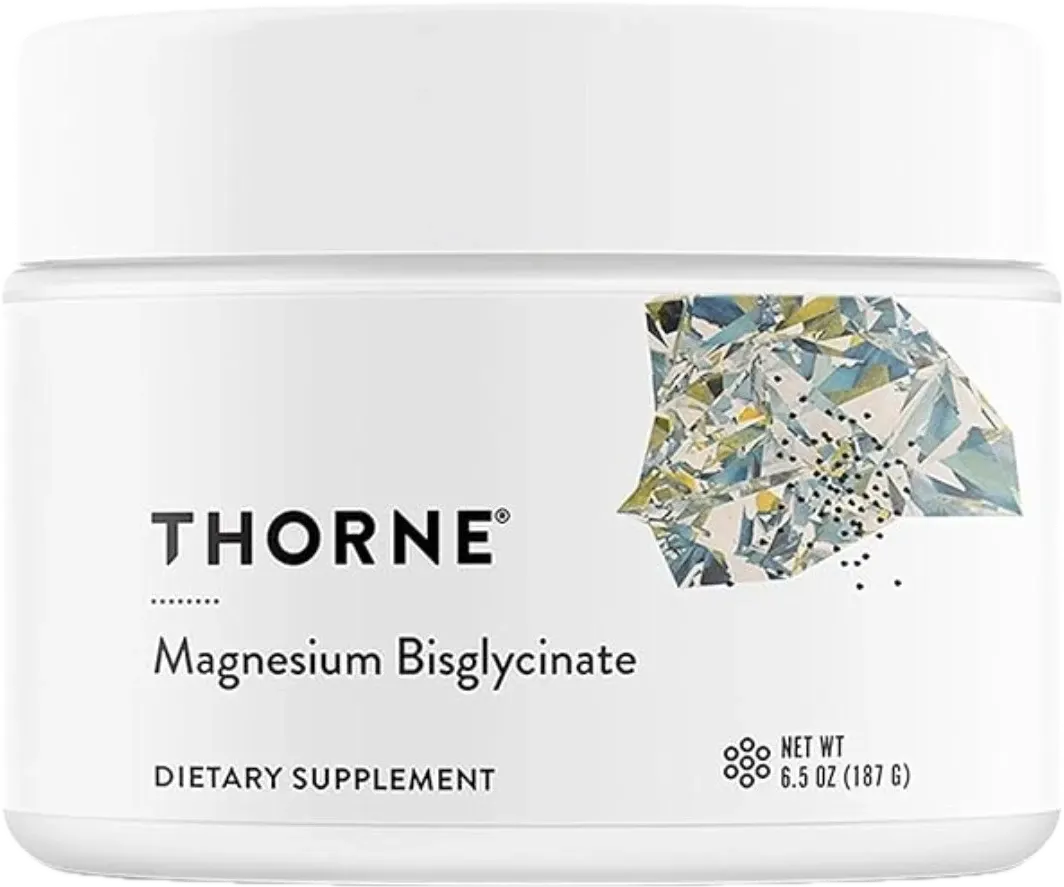
Thorne Magnesium BisglycinateThorne Magnesium Bisglycinate
Magnesium per serving 200 mgServing 1 scoopForm magnesium bisglycinateCount 60 scoops (60 servings)Third-party mark NSF Certified for SportAmazon eBay Full factsLabel read Nov 23, 2026 (60 servings powder (60 scoops)), source: the brand's page
Frequently asked questions
Is melatonin or magnesium better for sleep?
It depends on the problem. If your body clock is off, from jet lag or a shifted schedule, melatonin is the better fit for short-term use. If you want a gentle nightly addition to a wind-down routine, magnesium is the usual choice. Neither replaces good sleep habits.
Can you take melatonin with magnesium glycinate?
Generally yes. They work in different ways and are often taken together. Start with a low melatonin dose, and talk to your doctor if you take sleep, blood pressure or other regular medication.
Is melatonin safe to take every night?
Short-term nightly use at low doses is considered safe for most healthy adults, but less is known about long-term use. If you need it most nights for more than a few weeks, talk to your doctor about what's behind the poor sleep.
Sources
- Magnesium — Fact Sheet for Health Professionals — NIH Office of Dietary Supplements
- Melatonin: What You Need To Know — NIH National Center for Complementary and Integrative Health
- Ashwagandha — Fact Sheet for Health Professionals — NIH Office of Dietary Supplements
- Dietary Supplements — U.S. Food & Drug Administration