Creatine vs Protein Powder
The short answer: They do different jobs, so it's rarely either/or. Protein supplies the amino acids your body uses to build and repair muscle, and a powder simply helps you reach your daily target.
We may earn a commission when you buy through our links, at no extra cost to you. Affiliate disclosure
As an Amazon Associate I earn from qualifying purchases.
The two, side by side
- 1
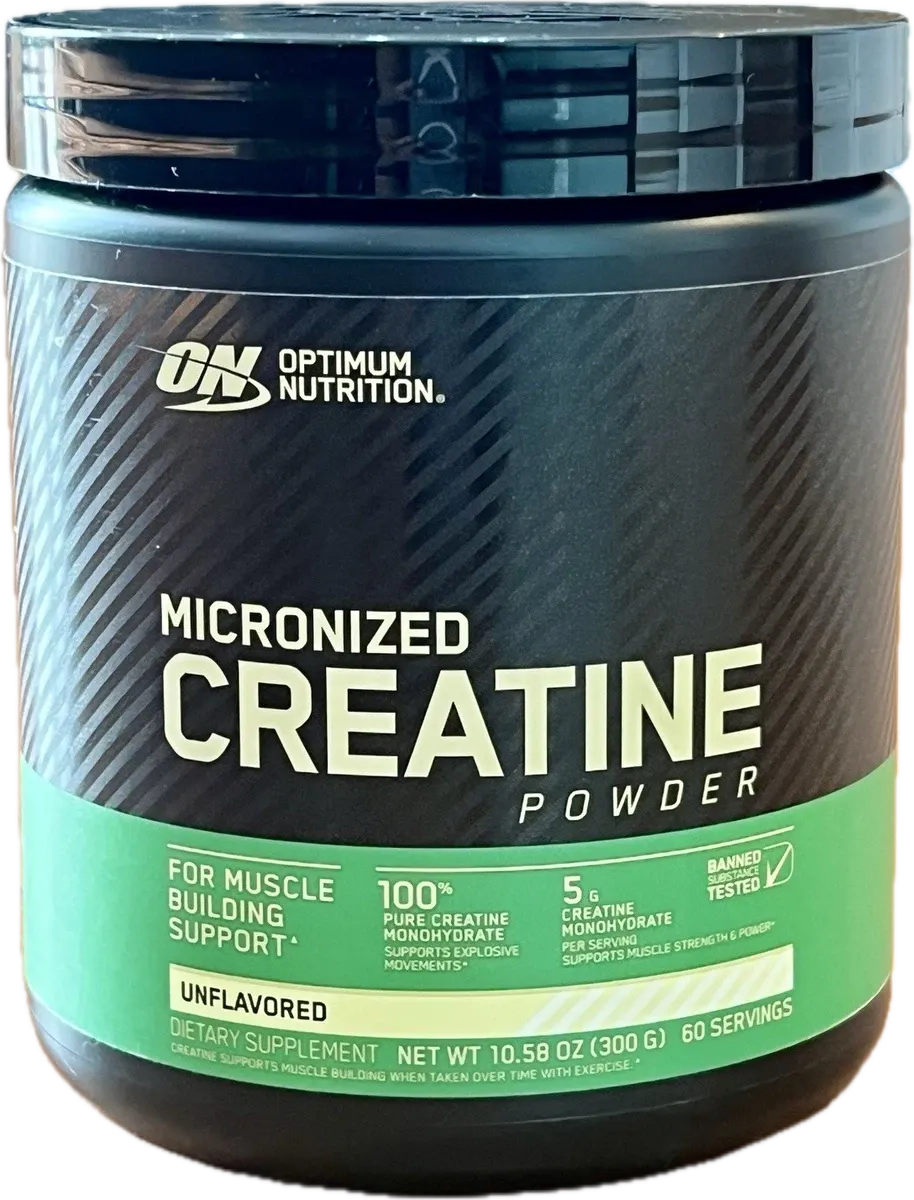 Optimum Nutrition Micronized Creatine Monohydrate
Creatine 5 g · Servings 60
- 1Optimum Nutrition Micronized Creatine Monohydrate
Creatine 5 g · Servings 60
- 2
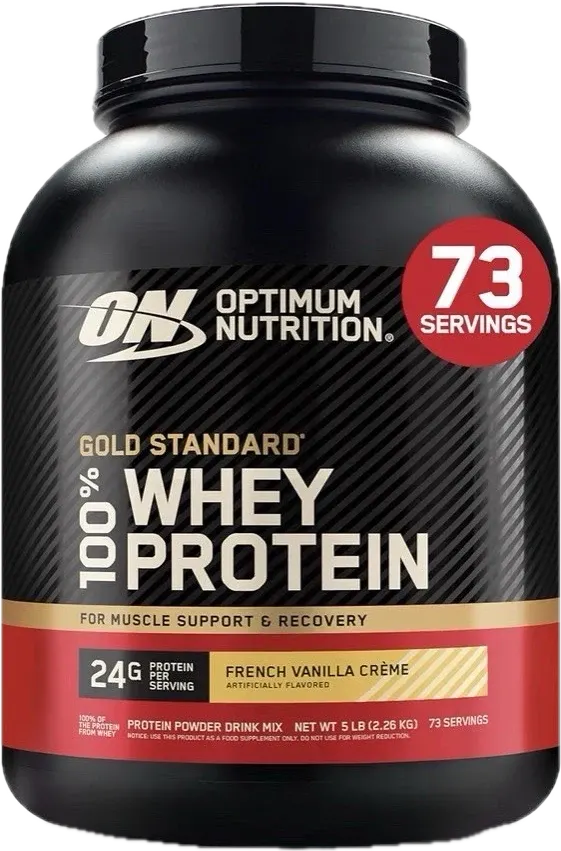 Optimum Nutrition Gold Standard 100% Whey
Protein 24 g · Calories 120
- 2Optimum Nutrition Gold Standard 100% Whey
Protein 24 g · Calories 120
Updated By Evyatar H. for HealthWorld: we read labels, we don't run a lab215 products and 99 protein bars checked label by labelHow we pick
The short answer
They do different jobs, so it's rarely either/or. Protein supplies the amino acids your body uses to build and repair muscle, and a powder simply helps you reach your daily target. Creatine is stored in your muscles and supports strength and power in short, intense efforts when you train. If you can only start with one, start with protein if you struggle to eat enough of it; otherwise creatine monohydrate is cheap, simple and one of the most researched supplements. Many people mix both into one shake.
Choose Creatine if…
- You already eat enough protein and want more strength and power in training
- You want a cheap, simple daily supplement
- You do short, intense efforts like lifting or sprints
Choose Protein powder if…
- You struggle to reach your daily protein target from food
- You want a quick post-workout shake or snack
- You're trying to keep muscle while eating fewer calories
Side by side
| Creatine | Protein powder | |
|---|---|---|
| What it is | A compound made from amino acids, stored in muscle | A macronutrient: whey, milk or plant protein |
| Main job | Supports strength and power in short, intense efforts | Supplies amino acids to build and repair muscle |
| Typical daily amount | 3–5 g of creatine monohydrate | 1–2 scoops, toward your daily protein total |
| Calories | Practically none | About 100–150 per scoop |
| Timing | Any time; consistency matters most | Any time; often after training or with breakfast |
| Example | ON Micronized Creatine: 5 g | Gold Standard Whey: 24 g protein |
| Found in food | Red meat and fish, in small amounts | Meat, fish, dairy, eggs and legumes |
The labels, line by line
Per serving, copied from each brand's own page or the NIH label database. "Not stated" means the label doesn't print it.
| On the label | Optimum Nutrition Micronized Creatine Monohydrate | Thorne Creatine |
|---|---|---|
| Creatine per serving | 5 g | 5 g |
| Compound | Creatine monohydrate (micronized) | Creatine Monohydrate |
| Format | Powder | Powder |
| Servings | 60 | 90 |
| Third-party mark | Informed Choice | NSF Certified for Sport |
Where to buy
Optimum Nutrition Micronized Creatine MonohydrateOptimum Nutrition Micronized Creatine Monohydrate
Creatine per serving 5 gCompound Creatine monohydrate (micronized)Format PowderServings 60Third-party mark Informed ChoiceAmazon eBay Full factsLabel read Nov 23, 2026 (Unflavored, 300 g (10.6 oz)), source: NIH Dietary Supplement Label Database
Optimum Nutrition Gold Standard 100% WheyOptimum Nutrition Gold Standard 100% Whey
Serving about 1 scoop (30.4 g)Calories 120Protein 24 gCarbs 3 gSugar 1 gSweeteners Acesulfame potassiumAmazon eBay Full factsLabel read Nov 23, 2026 (Double Rich Chocolate, 2 lb (907 g)), source: NIH Dietary Supplement Label Database
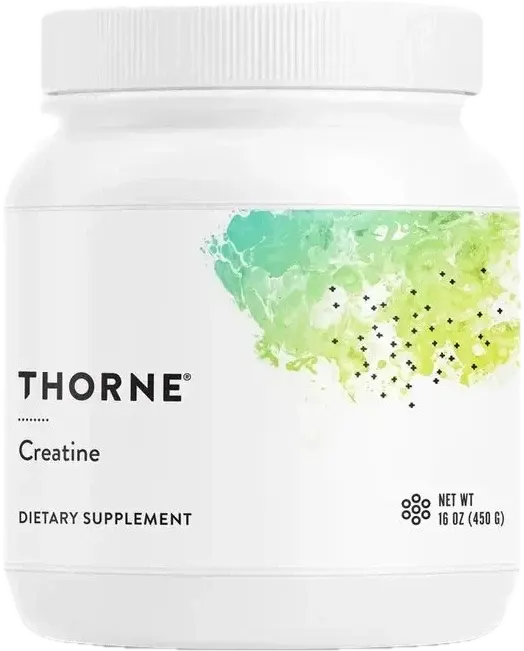
Thorne CreatineThorne Creatine
Creatine per serving 5 gCompound Creatine MonohydrateFormat PowderServings 90Third-party mark NSF Certified for SportAmazon eBay Full factsLabel read Nov 23, 2026 (Unflavored, 90 servings (16 oz / 450 g tub)), source: the brand's page
Frequently asked questions
Can I take creatine and protein together?
Yes. Mixing unflavored creatine into a protein shake is common and convenient, and there's no known interaction between the two.
Is creatine a protein?
No. Your body makes creatine from three amino acids (arginine, glycine and methionine), but creatine itself isn't a protein and provides practically no calories.
Does creatine make you gain weight?
Creatine draws water into your muscles, so many people see a small rise on the scale in the first weeks. That's water in muscle, not fat.
Which should a beginner take first?
Get your diet and protein intake in order first; a protein powder helps if you fall short. Creatine monohydrate is a sensible next step once you train regularly.
Sources
- Dietary Supplements for Exercise and Athletic Performance — NIH Office of Dietary Supplements
- Dietary Supplements — U.S. Food & Drug Administration